
Smart Home Technology and the NDIS
Smart home technology can make an enormous difference to independence for people with disability — but navigating NDIS funding can be confusing. Here's what you need to know.
Which NDIS Categories Cover Smart Homes?
Smart home technology can be funded under two NDIS support categories:
Assistive Technology (AT)
Environmental Control Units (ECU) are the primary smart home technology funded under the Assistive Technology category. ECUs include:
- Voice-activated home control systems
- Automated lighting, blinds, and doors
- Smart climate control
- Video calling and communication systems
- Emergency alert systems
For AT items under $15,000, you can purchase without formal AT assessment in some cases. Items over $15,000 require an OT assessment and NDIA approval.
Home Modifications (HM)
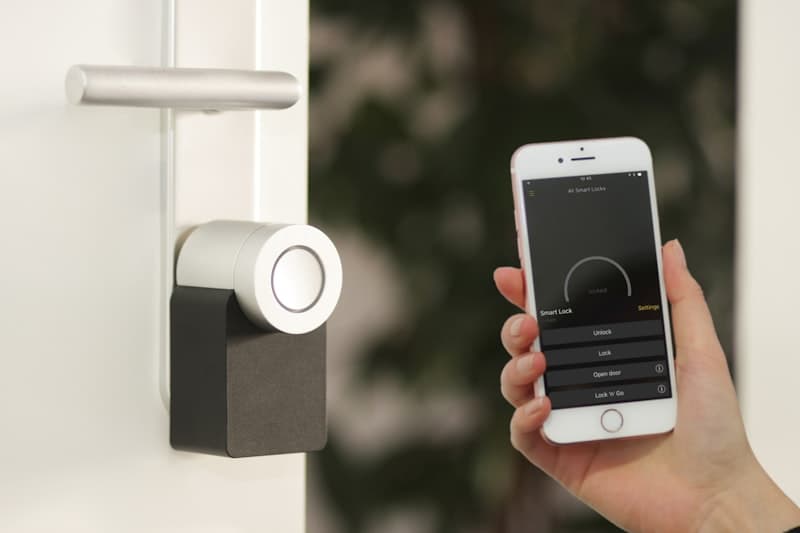
Smart home modifications to the home's infrastructure — such as smart lock installation or wiring for automated systems — may be funded under Home Modifications if they are directly linked to your disability needs.
The Role of Occupational Therapists
An Occupational Therapist (OT) is essential for accessing NDIS-funded smart home technology. Your OT will:
- Assess your functional needs and how technology can support them
- Recommend specific devices and systems
- Write a formal AT assessment report for the NDIA
- Train you to use the technology effectively
Practical Steps to Get Started
- Talk to your support coordinator — let them know you're interested in smart home technology
- Request an OT assessment focused on assistive technology
- Get quotes from registered NDIS providers like Innogreen
- Submit to the NDIA with your OT report and quotes
What Innogreen Provides
As a registered NDIS provider, Innogreen can:
- Supply and install smart home technology
- Work directly with your OT on the assessment
- Provide quotes in NDIS-compatible format
- Offer ongoing technical support after installation
Explore our Smart Homes services or contact us to discuss your specific needs.